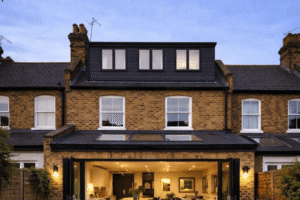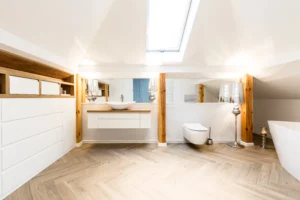
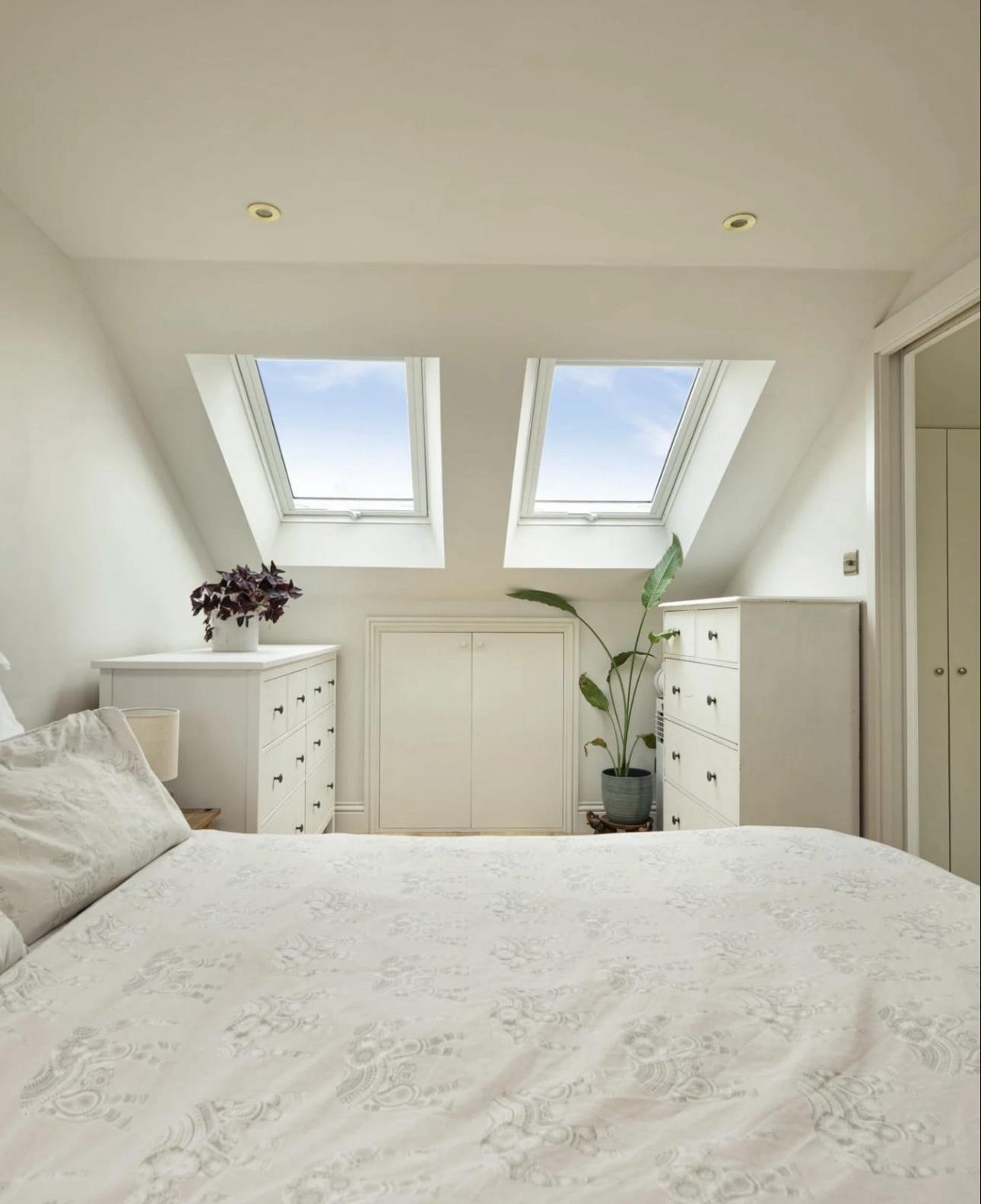
Most homeowners start thinking about a loft conversion at a very ordinary moment, but the pressure behind it is rarely small. The house feels tighter because life has changed. Working from home becomes permanent. Children grow and need their own rooms. Storage quietly takes over spaces meant for living. That is usually when attention turns upward to the loft, a space that exists but has never truly earned its keep. In many UK homes, this moment marks the beginning of a serious building project.
What is often underestimated is that converting the loft is not simply a design choice or a building upgrade. It is a regulated process shaped by planning permission, building regulation, and specific legal requirements that decide whether the space can be built safely, approved legally, and relied upon when the property is sold or refinanced. A loft conversion project brings potential legal exposure if these frameworks are misunderstood or ignored.
At NeoLofts, this is where most conversations begin. Long before drawings exist or budgets feel real, homeowners want to know what is actually possible. Our role is to cut through assumptions early and explain what planning law, structural limits, and compliance will genuinely allow.
With this early guidance, homeowners can understand what they need to consider when planning, what is realistic, not just what looks appealing.
Necessary permissions and regulations for a loft conversion in London
London does not treat all homes equally when it comes to development. National rules apply, but borough policies heavily influence how those rules are interpreted by each local planning authority. Two houses that look identical from the street can face entirely different planning outcomes, particularly when borough-specific restrictions apply.
When the planning landscape is understood early, wasted design work and unrealistic expectations are avoided when proposing a new loft conversion to the local authority. That single decision point carries weight.
The approval route you take for a loft conversion influences everything that follows. It affects how the space is designed, how it is built, how long the work takes, and how much it costs. It also determines whether homeowners need to apply for planning or can move ahead under permitted development.
How planning permission is assessed in practice
When it comes to planning permission, the focus stays firmly outside the building envelope. Councils assess roof height, volume, massing, and how the change affects the character of the street. What happens inside does not sway the decision, so internal layouts, finishes, and even plans for extra loft bedrooms are not taken into account.
A proposal will usually require planning permission if it alters the ridge height, introduces a front-facing dormer, exceeds volume limits, or disrupts roof symmetry. Homes in a conservation area or any listed building face even tighter controls, where small changes can trigger refusal and force homeowners to need to seek planning permission formally.
From our experience at NeoLofts, refusals tend to stem from proportion and visual dominance rather than size alone. Even when a dormer loft conversion sits comfortably within volume limits on paper, it can still be rejected if it looks oversized or poorly positioned next to neighbouring properties. A hip to gable loft conversion tends to face closer scrutiny for a different reason, as it alters the external roof form, particularly on semi-detached and end-of-terrace homes.
Permitted development and where homeowners go wrong
Some lofts fall under permitted development, but this is frequently misunderstood. A loft conversion carried out under permitted development still has to stay within strict volume limits, set at 40 cubic metres for terraced houses and 50 cubic metres for semi-detached and detached homes.
Any previous roof extensions reduce this allowance, a detail many homeowners overlook. This is why a velux conversion, which relies on rooflights rather than structural extensions, is often the most viable route for homeowners trying to remain within permitted development.
The extension must not exceed the height of the existing roof, must not project beyond the existing roof slope facing the highway, and dormers must sit at least 200mm back from the eaves. Side-facing windows must be obscure glazed and fixed shut below 1.7 metres. When these criteria are met, some homeowners are relieved to learn they don’t need planning permission.
Flats and maisonettes are excluded entirely, and some boroughs remove permitted development rights through Article 4 Directions. At NeoLofts, we confirm eligibility in writing before design begins so homeowners know whether they apply for planning permission or can proceed without formal consent.
Building regulation is non-negotiable
No matter the size or layout, converting a loft into habitable space automatically brings the work under building control oversight. For homeowners, understanding the building regulations means knowing what will be inspected, when approvals are needed, and how compliance is shown.
Every loft conversion must achieve building regulations approval, regardless of whether planning permission is required. From a regulatory perspective, a loft conversion involves compliance checks at multiple stages, not just a final sign-off.
Building regulation governs safety, structure, energy performance, ventilation, access, and fire safety, and define the standards a loft conversion must meet building regulations in order to be legally habitable.
Compliance is monitored through building control, with inspections carried out by a building control officer or building control inspector at defined stages. Without a completion certificate confirming compliance with building regulations, the loft must not be used as habitable space and can cause serious issues during sale or remortgaging. These regulations ensure the loft complies with national building standards.
Without a completion certificate confirming compliance with building regulations, the loft must not be used as habitable space. That can quickly turn into a problem when it comes to selling or remortgaging. These regulations ensure the loft complies with national building standards, protecting both the home and its value.
Common challenges and how to overcome them in the planning process
Most problems encountered during a loft conversion are not dramatic failures. They are technical constraints that were identified too late. When these surface mid-project, they affect budgets, timelines, and sometimes the viability of the scheme itself.
Many delays occur because loft conversion requirements were not fully understood before construction began. Planning thoroughly means anticipating where friction tends to occur within the loft conversion process and resolving it before construction starts. These are core considerations you need to address when planning a loft conversion.
Structural suitability and load-bearing limits
A loft was never designed to support domestic loads. It often comes as a surprise, but existing ceiling joists are typically undersized for furniture, partitions, and daily use. Structural assessments establish whether new joists, steel beams, or rafter reinforcements are required and confirm whether the loft is suitable for conversion based on its roof structure.
Roof construction plays a major role. Trussed roofs, common in post-1960s housing, require far more intervention than traditional cut roofs. Identifying this early prevents layouts that appear workable but cannot be built safely, particularly in a small loft.
To comply with building regulations, structural elements are installed so the additional loads are safely supported for the lifetime of the property. That process starts by understanding structural capacity, roof form, and load paths, which are key issues to consider when planning a loft and deciding whether a compliant design can be achieved without heavy reinforcement.
Minimum head height and stair access
One of the first checks under building regulation is head height. Once floors and insulation are in place, around 2.2 metres is expected, and that figure directly affects whether a compliant staircase or loft stairs can be installed and whether the new loft works as proper living space.
Stair design must then meet pitch, width, and headroom rules, including 1.9 metres at the centre of the flight, which is why stair positioning often reshapes the entire house layout, not just the new loft space.
Fire safety and protected escape routes
Once a loft conversion adds another storey, fire safety is assessed more carefully. Protected escape routes must run from the loft room to the final exit, which is why fire-rated doors, upgraded ceilings, and interlinked smoke alarms on every level are required to protect occupants in the event of a fire.
Escape windows must meet minimum opening dimensions so there is a reliable way out. These measures affect the whole house and are among the most critical regulations concerning loft conversions.
Escape routes, door ratings, and alarm systems need to meet fire safety provisions set out in Approved Document B. These are designed to ensure your loft provides a protected means of escape that satisfies statutory fire safety standards.
Party wall agreements and shared structures
In terraced and semi-detached properties, work affecting shared walls triggers the party wall agreement process. Formal notices must be served on each neighbour, and surveyor involvement may be required.
Skipping this step is one of the fastest ways to halt a project and introduce legal complications that are far more disruptive than the agreement process itself.
Insurance, Accreditation, and Accountability
Public liability insurance and employer liability insurance are essential. Beyond that, homeowners should look for contractors associated with recognised bodies such as the Federation of Master Builders, which signals adherence to professional standards.
As one of the recommended loft specialists and among the most trusted loft conversion companies, Neo Lofts operates as a fully accountable building company, managing subcontractors, compliance, and quality control across a range of building services.
Questions to Ask Potential Loft Conversion Contractors
Asking the right questions early protects budgets and expectations. We recommend focusing on responsibility, process, and communication rather than general assurances, especially for homeowners with a growing family or those planning a dedicated home office.
Key questions include:
- Who assesses planning permission and confirms permitted development status
- Who manages building control submissions and inspections
- Who appoints and coordinates the structural engineer
- How steelwork is specified and approved
- How party wall matters are handled for terraced and semi-detached properties
- Who manages the site on a daily basis
- How programme changes or unforeseen issues are communicated
- What timeline applies to the specific type of loft conversion proposed
A loft conversion can take varying amounts of time depending on the size and complexity of the project, but most full loft conversions take between six and twelve weeks. Experienced local loft conversion specialists should be able to explain this clearly and answer detailed questions about loft feasibility.
At Neo Lofts, we manage every stage of the process from design to completion, giving homeowners confidence at every stage of the process.
How to Compare Loft Conversion Quotes Properly
Comparing quotes for a loft conversion requires careful scrutiny. Headline figures alone rarely reflect the true cost of delivering a compliant, finished space while keeping the project time and within budget.
- Architectural drawings and technical design coordination
- Structural engineering calculations and steel schedules
- Planning submissions or permitted development assessments
- Building control inspections and certification
- Scaffolding, waste removal, and site protection
- VAT
- A defined construction programme
- Staged payment structure linked to progress
Understanding London pricing benchmarks is critical. Labour rates, access restrictions, and regulatory oversight mean cost of loft conversion London often exceeds national averages by 10 to 20 percent. Typical loft conversion costs London range from approximately £20,000 for basic rooflight conversions to £70,000 or more for complex Mansard loft conversions or large rear dormers.
Quotes significantly below these benchmarks often exclude essential building work, which later undermines attempts to get the best value.
Choosing a Loft Conversion Specialist: Architect, Structural Engineer, Contractor
Architect/technician: prepares drawings, advises on design, planning and space layout.
- Structural engineer: designs steel beams and joists; provides calculations for building control and contractor installation.
- Contractor/loft company: delivers construction services and handles subcontractors and site operations. The market in London contains numerous companies which provide design-and-build services.
The verification procedure includes confirming references, reviewing previous projects, validating public liability and employer’s liability insurance, and ensuring affiliation with professional bodies such as the Federation of Master Builders.
Get at least 3 detailed written quotes and a clear contract with payment milestones and warranties.
Testimonials from Satisfied Customers of Reputable Loft Conversion Contractors in London
First-hand feedback gives the clearest indication of how a loft conversion contractor performs once work is underway. It reflects how a team manages time, communicates day to day, respects occupied homes, and delivers on promises made at quotation stage. Across London, clients of Neo Lofts consistently highlight efficiency, professionalism, and build quality in every completed loft conversion.
Trustindex verifies that the original source of the review is Google. Our new master bedroom and bathroom in Battersea came out better than we imagined. The team worked hard, didn’t cut corners, and took real pride in the final result. It’s made a huge difference to our home.Posted onTrustindex verifies that the original source of the review is Google. Our loft in Tooting is now the best room in the house. From initial approvals to final handover, everything was handled professionally. The builders were tidy, reliable, and the finish was spot on.Posted onTrustindex verifies that the original source of the review is Google. Neo Lofts completed our attic conversion in Wimbledon within five weeks. We stayed in during the build and they were respectful and efficient from start to finish. The new bedroom and ensuite have transformed the house.Posted onTrustindex verifies that the original source of the review is Google. Had our loft done in Streatham Hill and the whole experience was seamless. The team handled everything with care and the place looks unrecognisable now. Can’t fault the workmanship or the communication.Posted onTrustindex verifies that the original source of the review is Google. We used Neo Lofts for our loft conversion in Wandsworth and the experience was flawless from start to finish. The team were professional, efficient and kept everything running smoothly throughout the build. The finish is genuinely high-end and has added serious value to our home. If you’re looking for a trusted loft conversion company in Wandsworth, Neo Lofts is the one to go with. Highly recommend them.Posted onTrustindex verifies that the original source of the review is Google. We used Neo Lofts for our dormer conversion in Balham and couldn’t be happier. The build was fast, tidy, and finished to a really high standard. Everything ran smoothly and we were kept in the loop the whole time.Posted onTrustindex verifies that the original source of the review is Google. After wasting months talking to builders who overpromised and underdelivered I found Neo Lofts through a recommendation and it changed everything. Our small family home in Wandsworth was bursting at the seams and we needed real space not just a quick fix. Neo Lofts designed and built a stunning L shaped loft that gave us a large master bedroom with an en-suite and loads of natural light. From the first visit to final sign-off the team were clear reliable and on the ball. Every detail was thought through and the finish is top quality. If you’re in Wandsworth and thinking about a loft conversion don’t mess about Neo Lofts are the real deal. Best investment we’ve made in the house.Posted onTrustindex verifies that the original source of the review is Google. We recently had a rear dormer conversion completed in Leytonstone, and I couldn’t be more pleased with the outcome. From the very first consultation, Neolofts were professional, knowledgeable, and a pleasure to work with. We wanted something a little more bespoke—a bay view window and a zinc dormer—which many other companies seemed reluctant to take on. Neolofts, however, were more than happy to embrace our vision. Tony, our project manager, was fantastic throughout, ensuring everything ran smoothly and to a high standard. A special mention must go to Graham, the architect, who not only understood exactly what we were hoping to achieve but also managed to secure planning permission for our more unique design. The craftsmanship is excellent, and the finish is simply stunning. If you’re looking for a loft conversion in East London and want a company that truly listens and delivers something beyond the ordinary, I wouldn’t hesitate to recommend Neolofts.Posted onTrustindex verifies that the original source of the review is Google. ★★★★★ Neo Lofts – Top Class Loft Conversion in Walthamstow Had our loft done by Neo Lofts, and honestly, couldn’t be happier. From start to finish, the whole team were spot on. Richard in the office was proper helpful, always on the other end of the phone, kept us in the loop, and made the whole process easy. Michael, the project manager, was an absolute grafter. Knew his stuff inside out and made sure everything ran like clockwork. Any little snag, he had it sorted before we even had to ask. The whole crew worked their socks off, and you can tell they take real pride in what they do. Now, the finish, next level. The quality of the build is solid, everything feels proper sturdy, and the plasterwork? Flawless. Like, genuinely smooth as glass. No lumps, no dodgy bits, just crisp, clean walls ready to paint. Makes a massive difference to the overall feel of the space. If you're in Walthamstow and thinking about a loft conversion, get Neo Lofts on the job. They ain’t the cheapest, but you 100% get what you pay for—quality work, no corners cut, and a team that actually cares. Well chuffed with ours!Posted on
Our Professional Recommendation as Loft Conversion Specialists
From an industry perspective, choosing the right loft conversion contractor is about risk management as much as design. Structural competence, regulatory knowledge, and operational discipline determine whether a loft conversion delivers long-term value or ongoing issues.
At Neo Lofts, we help you find the best solution by offering bespoke loft conversion design, transparent pricing, and a free quote. If you are considering how to create extra space for a growing family, or are simply looking for loft conversion advice, get in touch today for a free consultation. A loft conversion is a great way to unlock unused space while staying in the location you love.